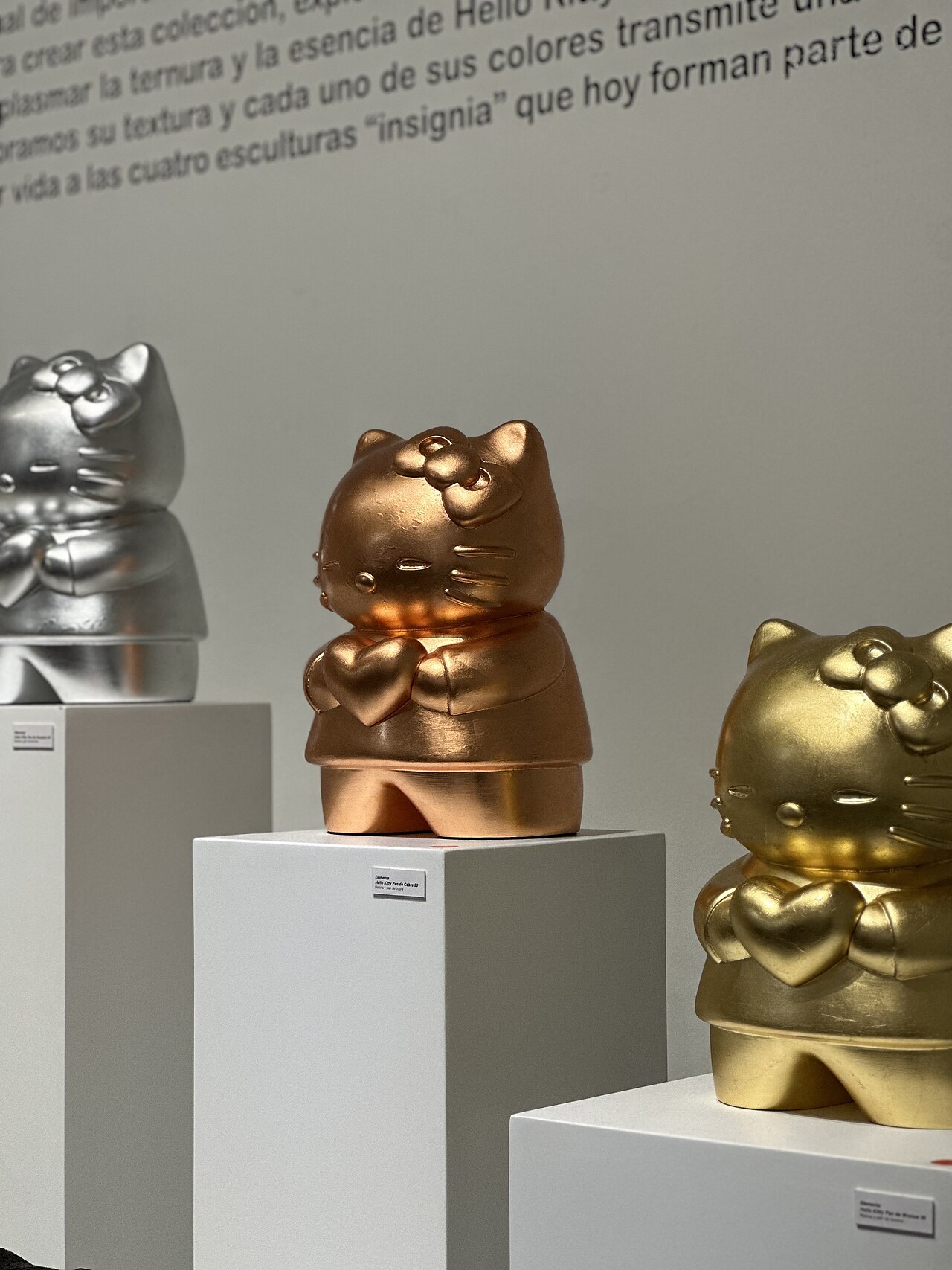
When Hello Kitty, an icon synonymous with innocence and sweetness, suddenly finds itself embroiled in a geopolitical spat, it’s a reminder that even the most charming brands cannot escape the shadows cast by international tensions. Sanrio’s decision to sever ties with the Japanese espionage drama Vivant after a Chinese backlash is less about animated cuteness and more about a corporate tightrope walk across fraught diplomatic terrain.
At first glance, the notion that Sanrio, whose primary business is selling adorable merchandise, would need to issue a public apology for a TV show’s content might seem baffling. Yet the stakes are clear when one of your biggest markets is China—a market that yielded Sanrio over 700 million yuan in revenue in just six months. The swift condemnation from Chinese state media, accusing Vivant of “deliberate smears” and drawing uncomfortable historical parallels, left Sanrio with little room for nuance.
This episode reveals how brand values, no matter how well-articulated, can swiftly clash with realpolitik. Sanrio’s corporate statement about fostering “harmony among all people” comes across as carefully calibrated damage control. The company’s promise to “strengthen review processes” for future collaborations hints that previous checks either missed or underestimated the geopolitical tinderbox the drama represented.
It’s worth noting that the controversy did not erupt during the first season of Vivant, which was set in a fictional Central Asian country. The shift to a narrative implicating Chinese agents in violent acts within the new season coincided with heightened tensions between Tokyo and Beijing. This is a case study in how creative content, no matter how fictional, becomes inseparable from the real-world frictions surrounding it.
Sanrio’s predicament is emblematic of a broader challenge facing global brands today: balancing authentic brand storytelling and partnerships with the sensitivities of diverse national audiences. The fact that merchandise themed on Vivant characters made it to market before the backlash suggests a disconnect between product development and geopolitical risk assessment.
Moreover, the episode underscores how cultural diplomacy and commerce are entwined. While Sanrio’s characters are designed to transcend borders, the company’s commercial calculus cannot ignore that politics often permeate consumer sentiment. The recent example of footballer Kylian Mbappé losing Chinese endorsements after a politically charged joke illustrates the broader environment where business decisions are inseparable from political narratives.
In sum, Hello Kitty’s brush with controversy is a cautionary tale for marketers and brand guardians. The age-old adage that business is global but politics is local—or rather, nationalistic—is underscored here. Brands must now invest not only in creativity but also in geopolitical literacy if they hope to avoid collateral damage when cultural products evoke sensitive historical memories or contemporary disputes.
Sanrio’s retreat from Vivant is not just a public relations move; it’s a tacit acknowledgment that even the most innocuous-seeming brand can become an unwilling player on the international stage. For Hello Kitty, the lesson is clear: in the game of global branding, cute doesn’t always conquer all.