
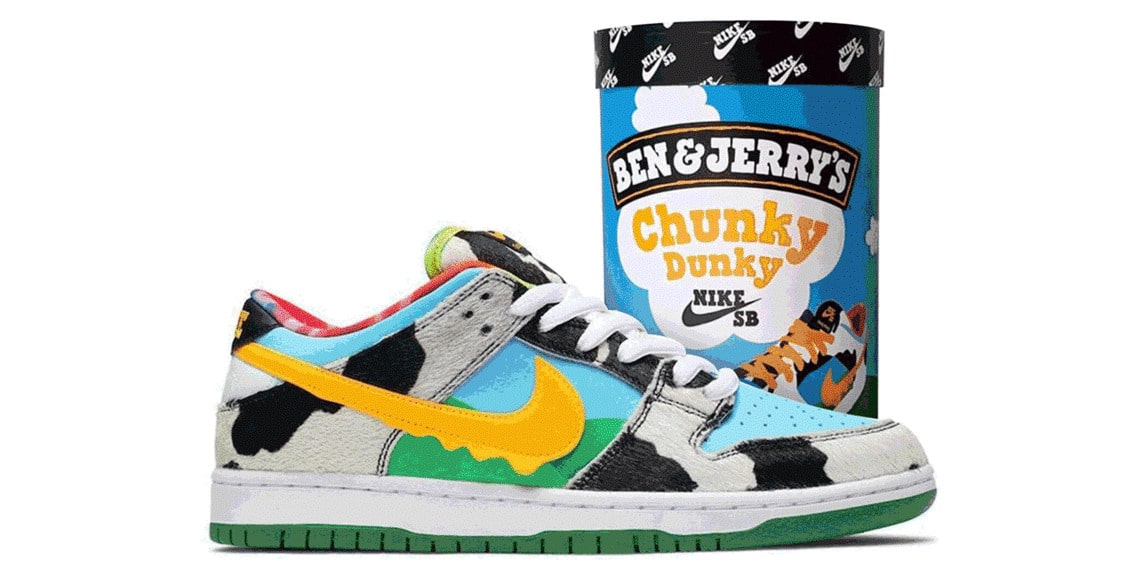
In the annals of marketing folklore, unexpected partnerships occupy a peculiar, enduring niche. They promise the sort of serendipity that turns mere brand messaging into cultural resonance. Or so the theory goes. The reality, however, often reads more like a fever dream scribbled on a whiteboard during a particularly dull brainstorm session.
These unlikely duos offer a tempting narrative, two seemingly incompatible brands join forces, each hoping to borrow a little shine from the other’s spotlight. Yet, as with many things in marketing, what sounds brilliant in a deck frequently falls flat in execution. The result? Confused consumers, diluted brand identities, and a fair share of corporate soul-searching masked as “strategic synergy.”
The jargon surrounding such partnerships is a genre unto itself. Terms like “cross-pollination,” “brand ecosystem,” and “co-creation” circulate like a secret handshake among marketers, all designed to mask the fact that often these alliances are less about innovation and more about desperation. Because what better way to mask a lack of original thinking than to slap on a veneer of collaborative magic?
One might wonder if the true aim behind these alliances is less about creating impactful customer experiences and more about producing press releases with enough buzzwords to stun a room. The trademark signs of a shaky partnership include vague promises of “shared value,” “leveraged assets,” and, inevitably, the pièce de résistance of “mutually beneficial engagement.”
Of course, some unexpected partnerships do indeed manage to strike a chord. Rarely is that because the brands involved have miraculously discovered profound common ground, but rather they stumble upon a shared cultural moment or consumer insight that resonates. When that happens, it is usually by accident, not design.
Consider the classic scenario where a luxury brand pairs with a mass-market staple. The postcode clash might generate headlines and get tongues wagging, but it also risks alienating loyal customers on both ends. The upscale customer might sniff at the association, while the value-seeking shopper may find the luxury name intimidating or irrelevant. The middle ground, where the magic supposedly happens, is often a marketing twilight zone where confusion reigns supreme.
Then there are the partnerships between brands that superficially share a theme, sportswear and electronics, for example, but have fundamentally different consumer engagements. Pairings like these often produce gimmicky co-branded products that satisfy no one and clutter the market with forgettable novelties. The brands pay lip service to innovation, but the consumer gets an awkwardly merged logo and a diluted experience.
It’s worth remembering that the success of any collaboration should be judged not by the buzz it generates internally or the awkward neologisms it spawns among marketers, but by how well it serves the consumer. Unfortunately, too many “unexpected partnerships” are exercises in brand gymnastics designed to impress shareholders rather than win hearts and wallets.
In short, unexpected partnerships are the marketing equivalent of those odd couples at a party who, despite the best intentions, never really click. They offer ample opportunity for jargon-fueled boosterism but rarely deliver on the promise of true synergy. When brands unite, it’s wise to ask whether they are genuinely complementing each other or simply sharing the same awkward spotlight.



Leave a Reply