In the endlessly spinning carousel of marketing gimmicks, where trends come and go faster than a caffeine-fuelled brainstorm session, brand characters remain a curious constant. They waddle, bounce, or chomp their way into our consciousness, steadfastly resisting the siren call of obsolescence. They are the flag bearers of familiarity in a sea of data points, KPIs, and buzzword bingo. Yet, their success is far from accidental, these characters, for better or worse, represent a fascinating study in the power of personification and the peculiar alchemy of brand recognition.
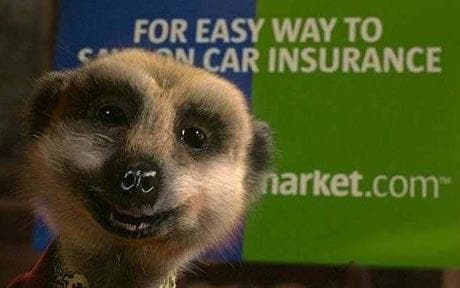
At their best, brand characters are shorthand for what a company wants to be: approachable, memorable, and perhaps a bit mischievous. Whether it’s a moustachioed plumber, an overly affable tiger, or a talking biscuit, these figures are designed to evoke a sense of trust and camaraderie that even the most earnest marketing white papers struggle to manufacture. But let’s be clear: they are not the product of some fanciful creative whimsy. They are carefully engineered tools drilled into the consumer psyche, designed to reduce the infinite complexity of a product or service into a single, digestible personality.
Yet, this is where the ritualistic use of brand characters often tiptoes into the realm of the absurd. The marketing playbook insists on creating creatures or personas that must be “authentic” and “engaging,” while simultaneously “scaling across platforms.” This leads to a homogeneity that is remarkable in its blandness. Characters become so universally benign that they could endorse anything from breakfast cereal to broadband without so much as a flicker of cognitive dissonance.
Moreover, the strategic rationale behind mascot deployment often masks a deeper anxiety about the brand itself. A character’s relentless grin or catchy catchphrase can be a subliminal plea for attention, distracting from a product that may be forgettable or, dare we say, mediocre. It is a classic case of style over substance wrapped in a fuzzy, oversized costume. The irony is thick: to make a brand memorable, marketers sometimes have to create a mascot more memorable than the brand’s actual offering.
Nonetheless, when brand characters hit the mark, they become cultural touchstones. They invite affection, parody, and even nostalgia. They infiltrate the conversations around water coolers and dining tables, embedding themselves in collective memory. This kind of stickiness is the holy grail of marketing success, and to achieve it requires more than just a clever design, it demands a genuine resonance with the brand’s identity and audience.
In the end, memorable brand characters do what all good marketing should: they simplify, humanise, and entertain, cutting through the dithering fog of corporate speak and innovation buzz. They offer something tangible in an intangible world, a face rather than a faceless logo, a story rather than a statistic. For all the skepticism warranted by their creation and deployment, these mascots are unlikely to vanish. After all, in the eternal theatre of advertising, everyone loves a familiar character, even if their antics sometimes feel like a well-rehearsed encore of the last act.