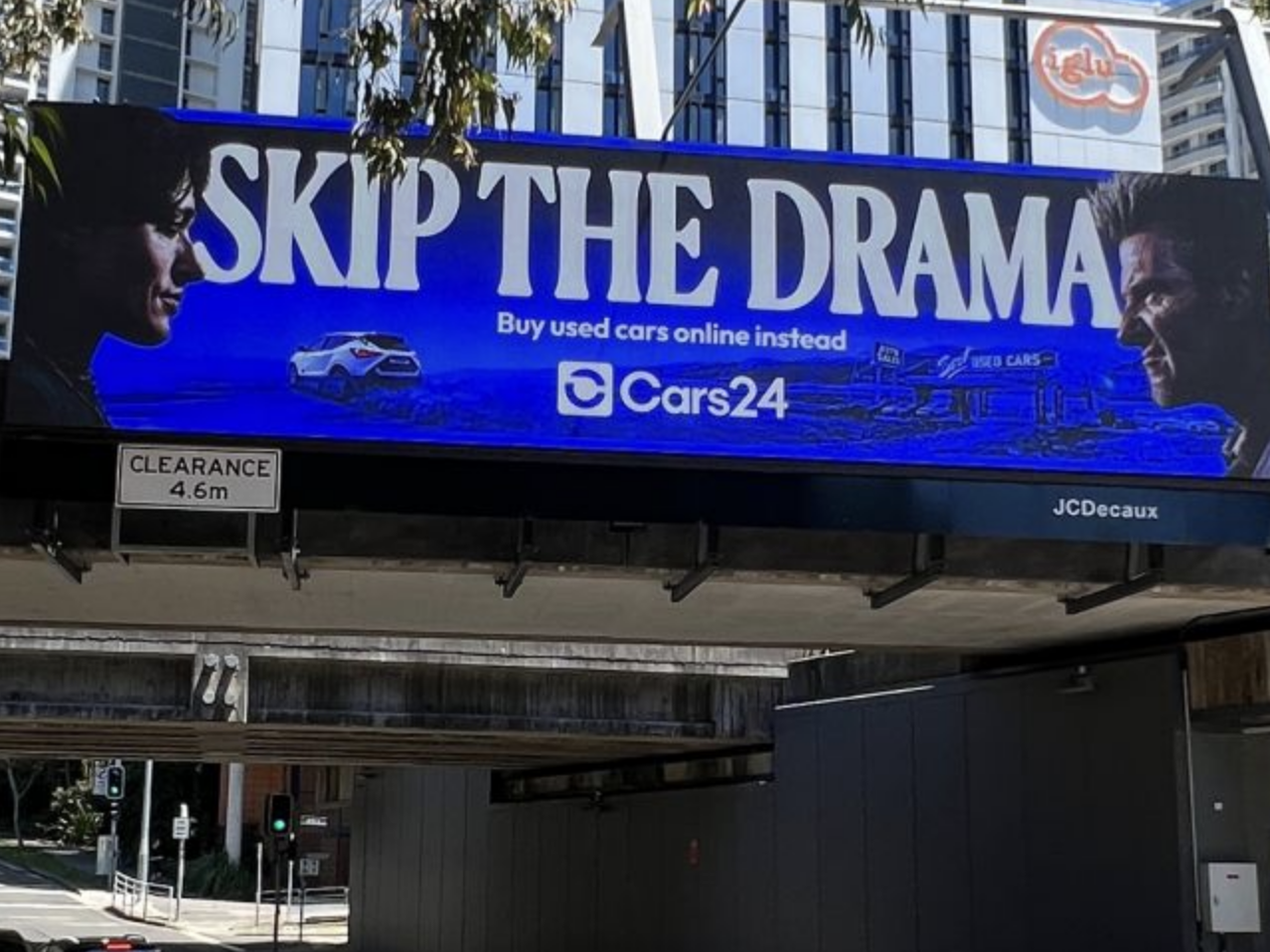
Cars24’s latest campaign, Skip The Drama, is a textbook example of marketing reaching for the stars to shift a stubbornly old-fashioned consumer behaviour. The used-car market has long been a theatre of salesmanship clichés and wary buyers, and Cars24 aims to turn that script on its head. Yet, for all its dramatic tug-of-war visuals and a media rollout spanning TV, radio and billboards, the question remains: can a well-funded campaign really alter habits etched over generations?
The campaign’s core proposition is clear enough, make used-car buying less fraught, more transparent, and digitally convenient. Cars24’s offering of 30-day returns, home delivery and thorough inspections does indeed tackle many traditional pain points. However, the messaging leans heavily on casting the used-car dealer as a melodramatic villain, which feels like marketing shorthand rather than fresh insight. The problem is not the drama itself; it’s the consumer’s ingrained trust in physical dealerships and the comfort of face-to-face negotiation, even when it’s a bit theatrical.
What is more intriguing is the strategic effort to elevate Cars24 from a utility platform to a household name. This is where the campaign’s scale and media strategy come into focus. By saturating the Eastern Seaboard with omnipresent reminders, Cars24 hopes to become the default thought when Australians consider buying or selling a used car. The logic is that familiarity breeds trust, and trust breeds habit change.
Still, there is a hint of corporate earnestness veiling an admission that product innovation alone isn’t enough. Changing a consumer habit stubbornly tied to tradition requires more than a slick interface or a few policy perks; it demands a cultural repositioning. Yet cultural repositioning is a slow, often frustrating process that no amount of blockbuster ads can shortcut.
Cars24’s campaign is an ambitious exercise in strategic absurdity: a dramatic spectacle designed to make the mundane task of buying a used car feel like a battle won without the usual theatrics. Whether Australian consumers will embrace this narrative remains to be seen. The real test will be if the brand can maintain presence and trust beyond the initial splash, embedding itself quietly in the consumer’s mental garage.