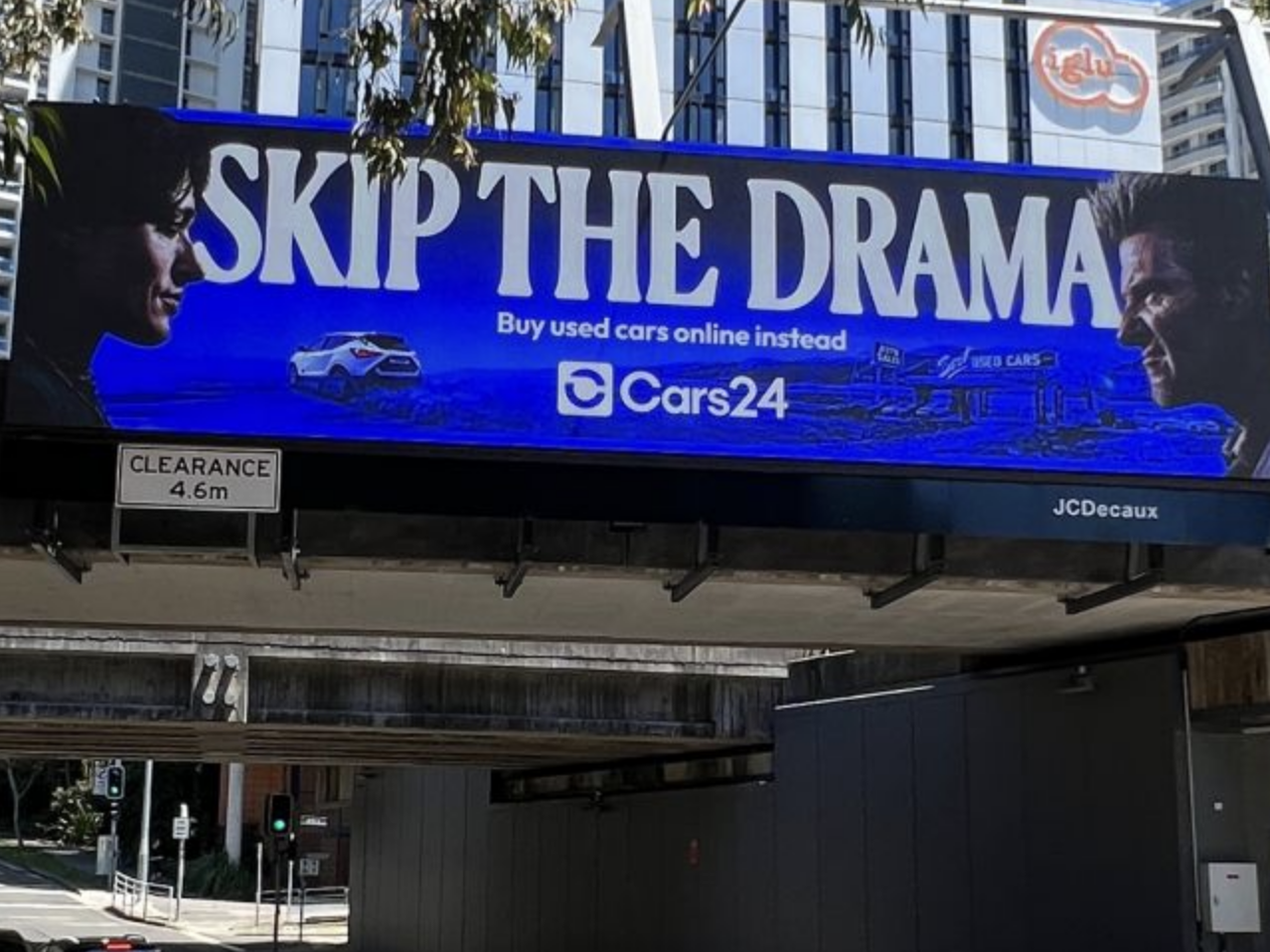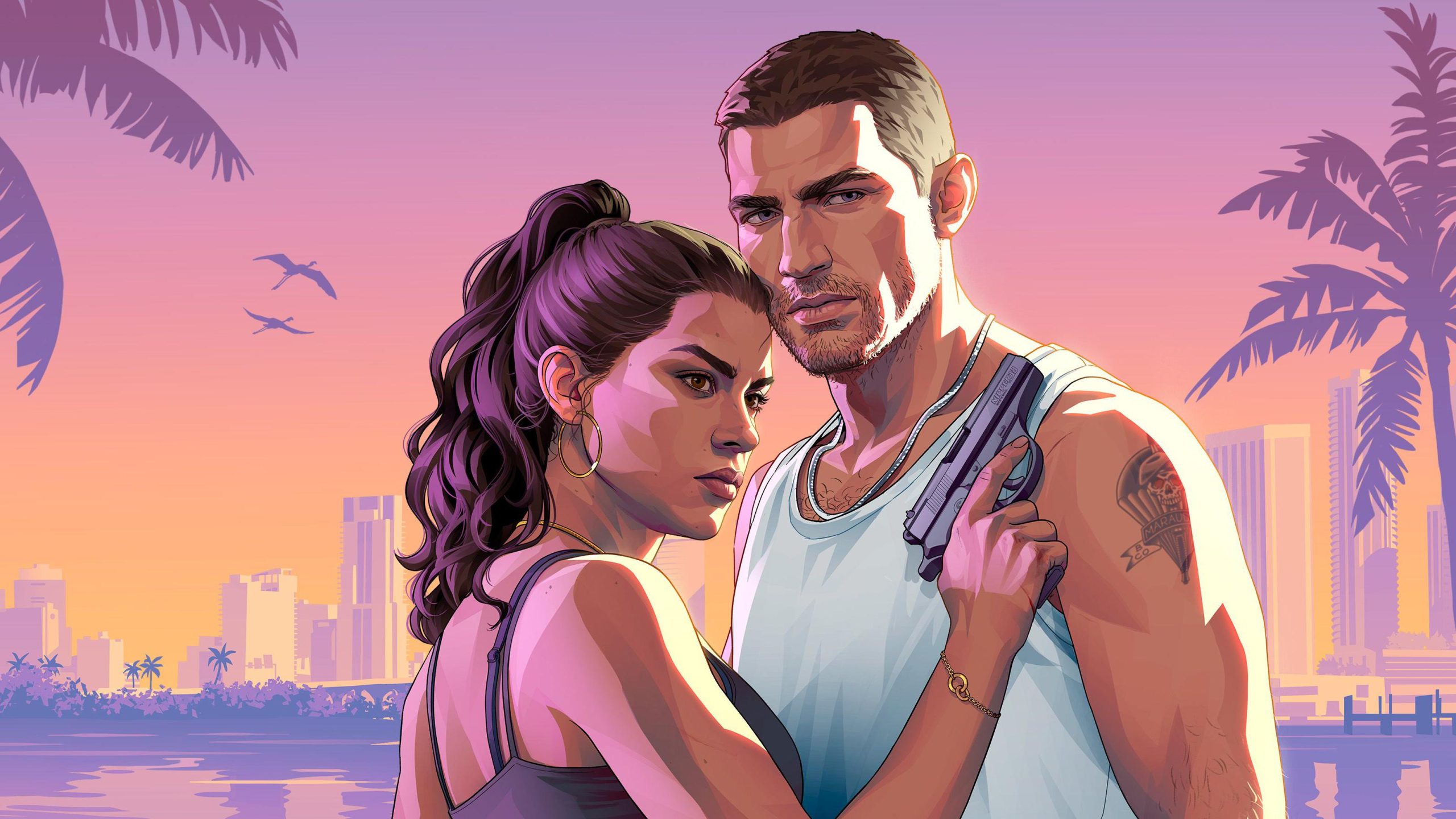
The release of Grand Theft Auto 6 has done what few entertainment launches ever manage: it has turned brand safety on its head, prompting a marketing free-for-all that resembles a playground during recess rather than a boardroom strategy session. Once the villain in advertisers’ nightmares due to its cocktail of violence, crime, and chaos, GTA has now become the belle of the ball for marketers desperate to hitch their wagons to its astronomical hype.
For decades, brands treated the GTA franchise like a hazardous chemical—best viewed from a distance, with strict safety protocols. The game’s unapologetic flirtation with the seedier side of life was the equivalent of a marketing no-go zone, a place where logos feared to tread lest they be tarred with controversy. But the launch of GTA 6 flipped the script so dramatically that it’s almost as if brand managers collectively shrugged and said, “What the hell, let’s crash the party.”
That shift is fascinating. It reveals just how elastic the concept of brand safety really is when confronted with the gravitational pull of a cultural event this massive. When estimated sales are projected to hit an eye-watering $2.3 billion, the usual squeamishness about associating with violence and mayhem is suddenly a quaint relic. Instead, brands have whipped out their marketing machetes, hacking through the traditional rules to carve out their slice of the GTA pie.
Consider Popeyes jumping into the fray with a ‘Spice City’ sandwich—an inspired nod to the game’s fictional universe. It’s not just a promotional tie-in; it’s a statement that brands are willing to lean into the chaos rather than shy away from it. Lenovo’s decision to gift thousands of employees a floating gaming holiday is another signal that marketers are not only embracing the hype externally but are also seizing the opportunity internally to weave gaming culture into their corporate DNA.
Meanwhile, Twitch’s development of technology to selectively filter out GTA 6’s more mature content for advertisers is an interesting wrinkle. It suggests that while many brands are eager to associate with the launch, they still want to keep their feet on the ground when it comes to specific content sensitivities. It’s a tacit acknowledgement that while the game’s universe is a ripe field for marketing stunts, the fine print of brand image still matters—just less than it used to.
This rush to capitalise on GTA 6’s launch also raises questions about the durability of traditional marketing safeguards. If a game notorious for pushing boundaries can suddenly become a safe harbour for brands, what does that say about the principles that marketers have long held sacred? Are these rules merely convenient fictions, ready to be bent or broken when the stakes—and potential rewards—are high enough? The GTA 6 frenzy seems to suggest so.
Yet, the paradox here is delicious. The very elements that made GTA a marketing taboo—the violence, the irreverence, the moral ambiguity—are now the hooks that lure brands into the fold. It’s as if advertisers are saying, “We’ll trade a bit of squeamishness for access to an audience that’s notoriously difficult to reach.” And given the scale of the launch, the gamble seems calculated rather than reckless.
There’s also a broader shift at play, reflecting how consumer behaviour and cultural norms evolve. Gaming is no longer a niche subculture but a dominant cultural force. Brands that cling to outdated notions of what is ‘appropriate’ risk missing the boat entirely. The GTA 6 launch is a vivid illustration of how marketers are recalibrating their risk appetite, recognising that sometimes, you have to dance on the edge of controversy to capture attention.
In the end, the GTA 6 marketing bonanza is less about the game itself and more about the rules of the marketing game being rewritten in real time. It’s a reminder that in the world of brand strategy, flexibility and opportunism often trump rigid adherence to convention. And if that means embracing a little chaos along the way, well, that’s just part of the fun.